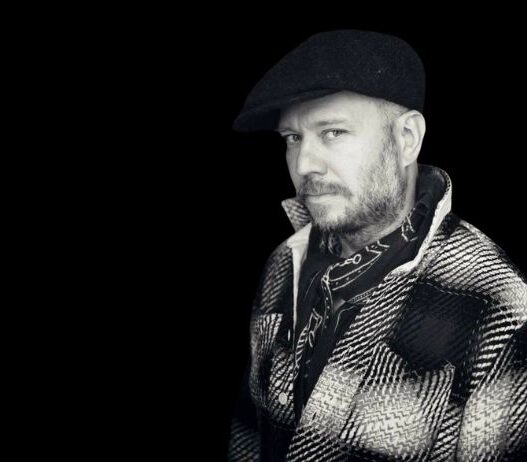












Dr Marija Pranjić — How Music Shapes the Brain
Cutting music programs doesn’t just remove a fun class, it removes a kind of brain training kids can’t easily replace elsewhere. We sit down with Dr. Marija Pranjić, a neuroscientist, music therapist, and pianist, to unpack what music education actually does for neurodevelopment and why access matters so much for equity, learning, and long-term health.We talk about how the “music center in the brain” idea has fallen apart as brain imaging advanced, and what replaced it: a distributed network view where music recruits perception, movement, memory, attention, and reward systems. That overlap helps explain why active music-making can support speech and language foundations, motor coordination, careful listening, and self-regulation, especially during early childhood development. We also dig into the digital era problem: when kids spend more time on screens and less time in rich sensory environments, music can be a practical form of sensory enrichment that strengthens feedback and adaptation skills.
From there, the conversation turns personal and concrete: performance anxiety, confidence, and why a good teacher can turn discomfort into growth rather than shame. We also treat musician health seriously, looking at repetition, overuse, stigma around injury, and why musicians may benefit from training plans that look more like athlete management. Finally, we explore music therapy and clinical neuroscience, including why familiar songs can “unlock” memory in dementia and how rhythm can organize movement in Parkinson’s disease through rhythmic entrainment.
If you care about music education, neuroscience, or practical tools for healthy learning and performance, this one delivers. Subscribe, share the episode with a teacher or parent, and leave a review with your take: what role did music play in your life?
"Music should not be something extra... it's a form of sensory enrichment that allows the child's brain to start connecting these different areas." — Dr. Marija Pranjić
Who is Dr. Marija Pranjić?
Dr. Marija Pranjić is a neuroscientist, music therapist, and pianist, and is currently a postdoctoral researcher in the Laboratories of Cognitive Neuroscience at Harvard Medical School and Boston Children’s Hospital. She also teaches the course Clinical Neuroscience of Music at Harvard University. Her research examines how early sensory and environmental factors influence neurodevelopmental trajectories, including those associated with ADHD and autism, and how enriched contexts, such as musical engagement and creative play, may provide protective influences that support resilience. With academic and professional experience spanning Croatia (BMus/MMus), the United Kingdom (MA), Canada (PhD), and the United States, Dr. Pranjić is committed to interdisciplinary scholarship, global outreach, and educational initiatives that bridge music, neuroscience, and health. Her scientific contributions have been recognized through multiple prestigious international awards, including the GRAMMY Museum Grant, the MITACS Globalink Research Award, and Harvard’s Mind Brain Behavior Interdisciplinary Research Grant.All episodes, after publication, are also available in video form on YouTube and Spotify Channels. All are hosted by Elizabeth (Lizzie) Bowman.
Don’t forget to subscribe, share the love, and leave us a review to show your support—it means a lot to us!
Don’t hesitate to reach out to us with guest ideas, information you’d like covered, or any ideas you might have—the hope is for this to be a continuous resource and dialogue with our listeners.
Visit TheSceneRoom.com for more information.